Gaura Parva: Culture and Tourism in Sudurpashchim’s Living Heritage
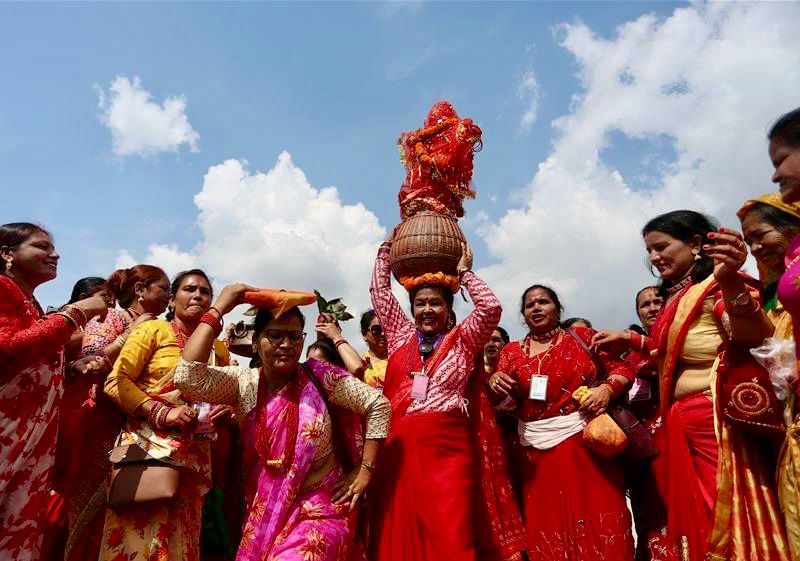
Nepal is a land of festivals, where traditions are not only a matter of devotion but also of community bonding and cultural identity. Among these celebrations, Gaura Parva holds a special place in the far-western hills and valleys. Rooted in Sudurpashchim, the festival is one of the most vibrant expressions of local heritage, blending mythology, rituals, and folk art. More than just a religious occasion, Gaura Parva has become a symbol of the region’s cultural richness and a potential driver of tourism.
Origins and Cultural Significance
The celebration of Gaura traces back to the ancient Khas kingdom, whose legacy shaped both the Nepali language and much of the cultural foundation of western Nepal. In local tradition, the festival commemorates the marriage of Goddess Gaura (an aspect of Parvati) with Lord Shiva, while also symbolizing harvest, fertility, and the protection of women. The mythological tales surrounding Gaura highlight divine forgiveness, devotion, and penance, values deeply rooted in Hindu philosophy.
For centuries, people in Doti, Baitadi, Bajhang, and adjoining regions of Uttarakhand have observed the festival with elaborate community rituals. The timing of Gaura is based on the lunar calendar and generally falls in August or September. Whether celebrated as Ujeli Gaura during the bright lunar phase or Adheri Gaura during the dark phase, the festival’s rhythm ties local life to the cycles of nature and agriculture.
Rituals and Community Spirit
The festival unfolds over several days, beginning with Biruda Panchami. On this day, married women fast and soak five types of seeds; wheat, pea, horse gram, black gram, and other grains, in brass or copper vessels. These seeds, known as Pancha Biruda, are regarded as sacred offerings for good health and long life of husbands. The following morning, the soaked grains are carried to springs or ponds, washed collectively, and returned with song and dance.
A key moment comes when women fashion an idol of Gaura from grasses and plants, placing it in a basket draped with red cloth. The household or village space where the idol is placed becomes the Gaura Ghar, a sacred center of worship. Ritual offerings of clothes, cosmetics, and ornaments are made to the goddess, symbolizing her as a bride. Throughout the period, men and women sing and dance deuda, a circle dance performed in local dialects where participants lock arms and voice out songs of joy, hardship, and hope.
The vibrancy of deuda and other folk traditions transforms villages into living theaters of cultural performance. While women lead the religious rituals, men and women alike engage in music and community gatherings, reflecting both devotion and social bonding.
A Festival of Identity
Although Gaura Parva is most strongly celebrated in Sudurpashchim, its cultural reach extends to Karnali province, Kathmandu, and beyond Nepal’s borders into Kumaon in India. In each place, it serves as a marker of identity for those with roots in the western hills. For many Nepalis living outside the region, Gaura acts as a reminder of home, tradition, and shared belonging.
What makes Gaura unique is not only its mythological base but its living traditions. It is not a festival confined to temple courtyards; rather, it thrives in homes, public grounds, and open fields. Songs, dances, and community feasts transform it into a celebration that brings people together across generations.
Linking Gaura Parva with Tourism
Sudurpashchim is increasingly recognized for its untapped tourism potential. The region combines snow-capped peaks, deep river valleys, lush forests, and wildlife habitats with rich cultural traditions like Gaura. While trekking, rafting, and adventure travel attract one set of visitors, cultural festivals such as Gaura offer another dimension of experience that appeals to travelers seeking authenticity.
Religious tourism also has great promise here. The same devotion that gathers communities for Gaura can attract pilgrims and cultural enthusiasts from across Nepal and northern India. When coupled with natural attractions such as Khaptad National Park, Api Himal, and the rivers of Kailali and Kanchanpur, the festival adds to the diversity of the region’s tourism portfolio.
Infrastructure and Opportunities
Recent initiatives show that the potential is being recognized at the national level. The government has promoted the far-western and Karnali provinces with special incentives, including fee waivers for climbing permits on Himalayan peaks. Dhangadhi Airport is being upgraded, and a new airport in Kanchanpur is nearing completion, which will significantly improve accessibility. Alongside these developments, local stakeholders emphasize the importance of better roads, quality accommodation, and sustainable facilities to make the province a true tourism hub.
If Gaura Parva is integrated into cultural tourism calendars, it could serve as a seasonal highlight, drawing domestic and international travelers alike. Imagine tourists joining locals in deuda dances, observing rituals, tasting traditional food, and learning about the mythology that underpins the celebration. Such exchanges not only enrich visitors’ experiences but also provide economic opportunities for local communities.
Preserving Heritage, Promoting Development
For Sudurpashchim, Gaura Parva is more than a festival; it is a bridge between past and present. It preserves ancient traditions while offering a platform for cultural tourism in the modern era. The festival demonstrates how spirituality, folklore, and community rituals can coexist with economic aspirations. By promoting Gaura as part of the region’s tourism identity, Sudurpashchim can highlight its uniqueness in Nepal’s diverse cultural landscape.
As Nepal seeks balanced regional development, festivals like Gaura can play a dual role: safeguarding intangible heritage and fueling local economies through tourism. With thoughtful planning, improved infrastructure, and sustainable practices, Sudurpashchim has every possibility of becoming not just the origin of Gaura but also its global showcase.