
Unseasonal Snowfall and Heavy Rain Disrupt Life Across Nepal
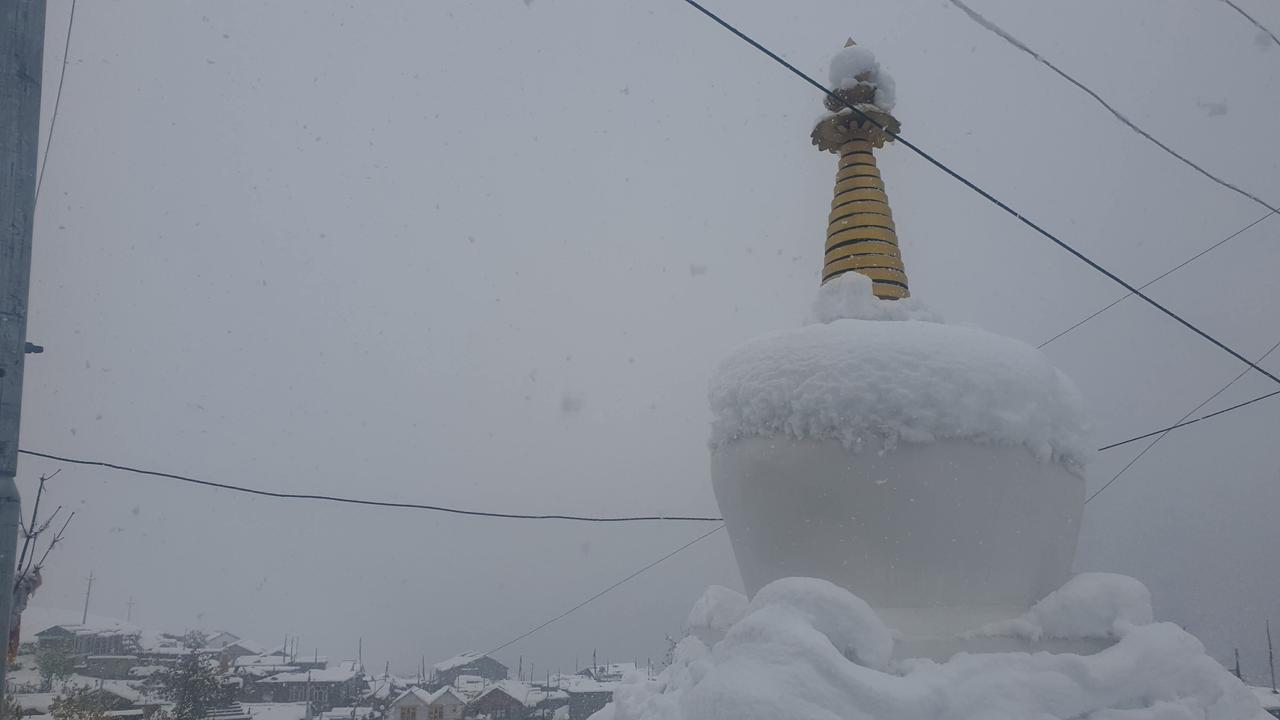
Nepal is currently grappling with extreme weather conditions, including heavy snowfall in high-altitude regions and torrential rainfall in lower and mid-hill areas, creating widespread disruption across the country. Beginning late last week, these events have affected key mountain districts such as Solukhumbu, Manang, Mustang, and Myagdi, as well as central provinces including Bagmati, Gandaki, Koshi, Lumbini, and Madhes. The unusual combination of snowfall, rain, and freezing temperatures has not only endangered daily life but also put trekkers, pilgrims, and local communities at risk.
Causes of the Current Weather Pattern
Meteorologists have attributed this severe weather to a combination of factors, primarily the influence of Cyclone Montha, which developed over the Bay of Bengal, and a low-pressure system over the Arabian Sea. Cyclone Montha made landfall in India’s Andhra Pradesh on Tuesday night, gradually weakening as it moved north and northwest, and has since partially influenced weather patterns in Nepal. Westerly winds interacting with these systems have intensified precipitation, particularly over high-hill and mountainous regions.
The Department of Hydrology and Meteorology (DHM) has highlighted that the combined effects of the cyclone and the low-pressure system have created unusually heavy snowfall in the northern highlands and rainfall in traditionally arid districts. For instance, districts such as Manang and Mustang, which normally lie in the Himalayan rain-shadow zone, experienced significant rainfall, with Chame in Manang recording 64.4 millimeters and Jomsom in Mustang 51.2 millimeters.
High-altitude snowfall is particularly influenced by colder air masses trapped over the Himalayas, which, when combined with moisture-laden winds from the south and west, lead to rapid snow accumulation. Climate experts suggest that such extreme weather patterns are becoming increasingly frequent due to the long-term impacts of climate change, resulting in unseasonal precipitation and heightened risks of flash floods, avalanches, and landslides.
Impacts on Daily Life and Tourism
The immediate impact of the weather has been most severe in the Khumbu region of Solukhumbu district. Areas above Dingboche, at altitudes exceeding 4,400 meters, have been blanketed with snow, while Namche Bazaar and lower-lying regions experienced heavy rainfall. Residents report that continuous snowfall has drastically reduced temperatures and confined locals and tourists indoors. Over 3,000 foreign trekkers were present in the Everest region during this peak trekking season, many arriving with expectations of clear October skies. Local authorities have urged tourists to remain indoors, and rescue teams have been kept on standby to respond to emergencies.
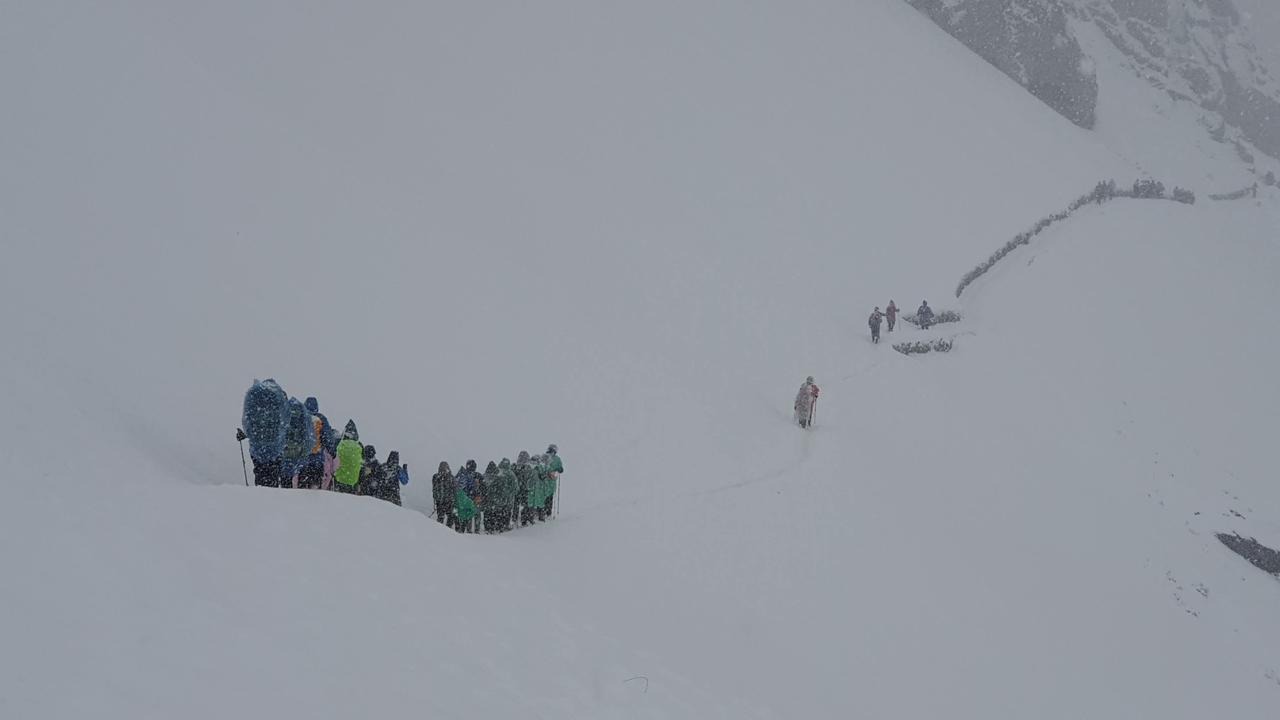
The Annapurna Circuit, one of Nepal’s most popular trekking routes, has been temporarily suspended in Manang district due to avalanche risks. Despite roads being cleared to Khangsar, trekking remains halted for at least a week as large amounts of accumulated snow pose a continued threat. Security agencies and rescue teams have been actively evacuating stranded tourists from locations such as Tilicho Lake Base Camp and Hidden Valley, a high-altitude region at 5,100 meters. A shortage of vehicles and blocked roads has hampered rescue operations, forcing some trekkers to remain in temporary shelters until conditions improve.
Helicopter evacuations have also been impacted. In Lobuche, a rescue helicopter skidded and crash-landed on an icy helipad, damaging its tailfin, though fortunately, the pilot emerged uninjured. Civil aviation authorities have suspended all flights in the Khumbu region due to poor visibility and adverse weather, grounding essential air support until further notice.
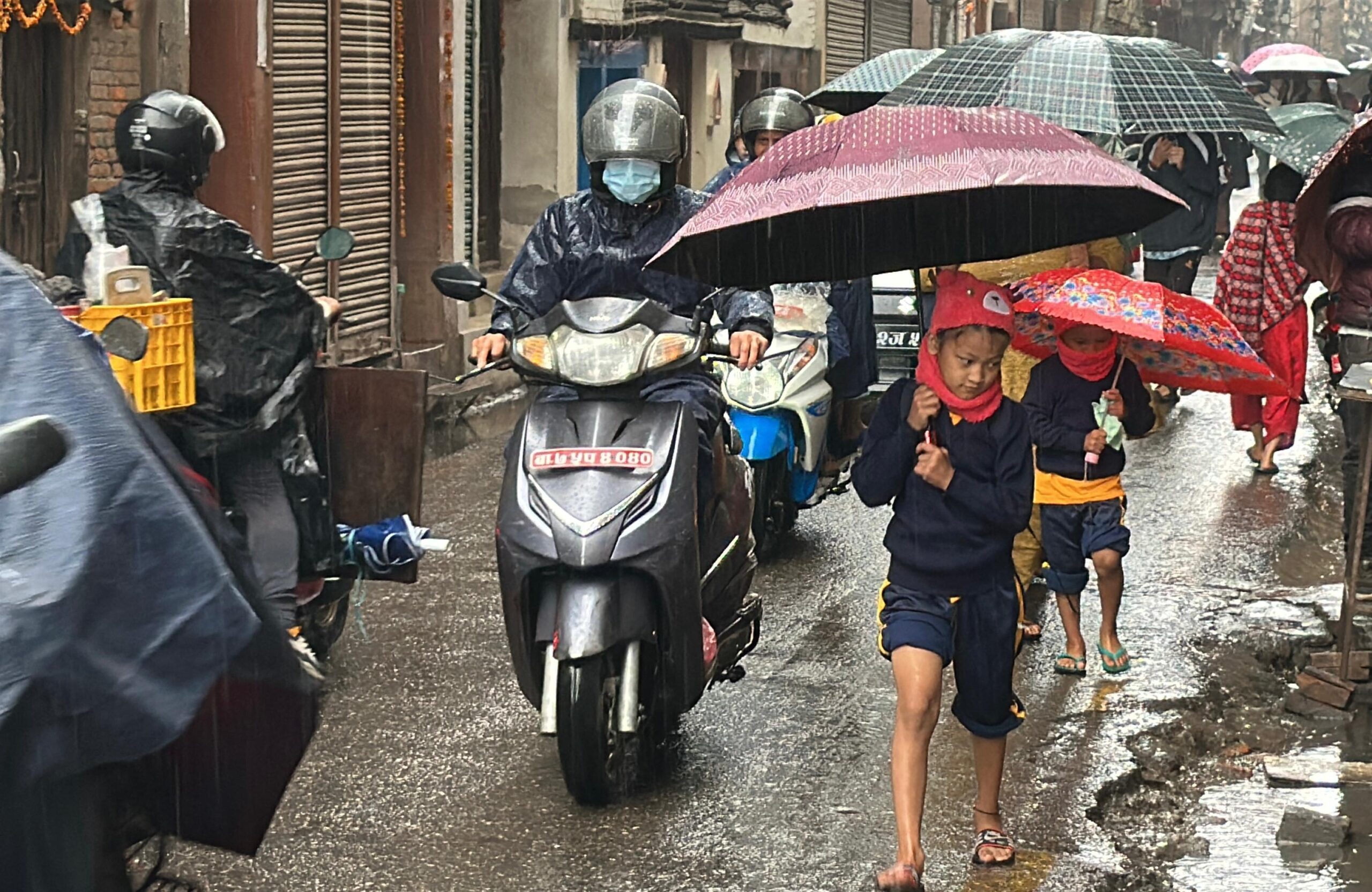
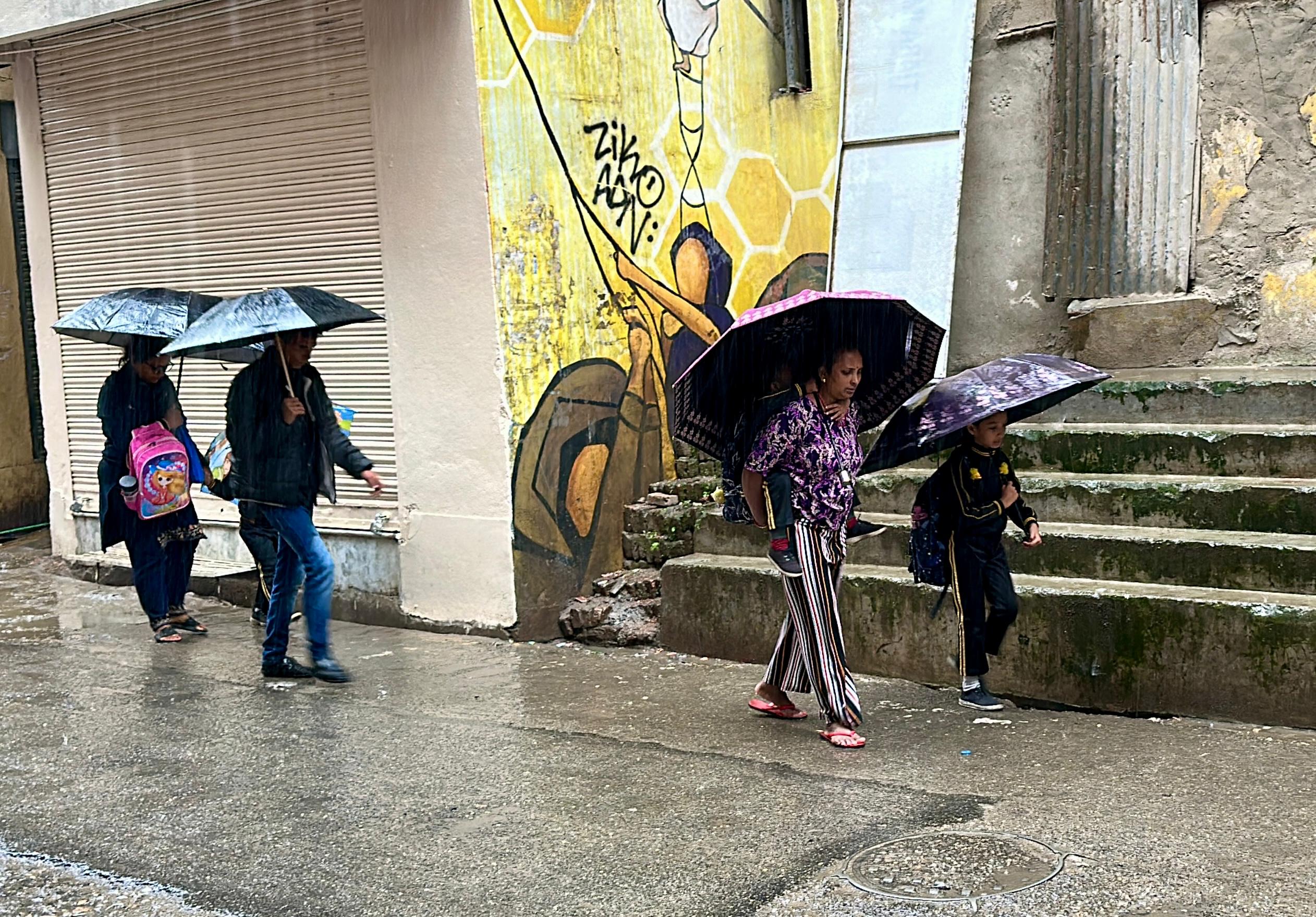
In Mustang and Manang, unseasonal rainfall combined with initial snowfall in highlands disrupted both vehicular movement and pilgrimage activities. Key roads connecting Chhoser–Korala, Thurlungphant–Lho Manthang, and Kagbeni–Muktinath were obstructed, delaying transport and emergency services. Similarly, Kathmandu and other lower regions experienced intermittent rainfall and cooler temperatures, affecting urban life and air travel. Tribhuvan International Airport reported multiple flights circling in the sky due to low visibility, creating travel disruptions for both domestic and international passengers.
Impacts on Agriculture, Infrastructure, and Safety
The widespread precipitation has raised concerns beyond tourism. Snow and rain have the potential to damage crops, particularly in mid-hill and mountain terraces, which are crucial for local food security. Landslides triggered by rainfall and snowmelt threaten roads and bridges, complicating transportation and logistics. Authorities have warned that rivers in Koshi, Bagmati, and Madhes provinces may see significantly increased flows due to continued rainfall, potentially leading to flooding in low-lying areas.
Safety risks have also escalated in mountain districts. Avalanche-prone zones, slippery roads, and remote trekking routes have increased the likelihood of accidents. Security agencies, including the Nepal Police and Armed Police Force, are on high alert, coordinating disaster preparedness and monitoring potential threats. Temporary shelters and emergency response units have been set up in vulnerable districts, while the National Disaster Risk Reduction and Management Authority has issued public advisories urging caution and adherence to safety protocols.
Duration and Forecast
Meteorologists expect the current adverse weather to persist until Saturday, with high-hill and mountainous regions continuing to receive moderate to heavy snowfall. Rainfall is likely to affect Koshi, Madhes, Bagmati, Gandaki, and Lumbini provinces, with some areas experiencing heavy downpours. Authorities have emphasized that while road clearing and rescue operations are underway, the combination of snow and rain may continue to disrupt life and mobility until conditions improve.
The DHM predicts that the cyclone’s eastward shift will gradually lessen its intensity over central and eastern Nepal, though residual moisture from westerly winds and low-pressure systems may still bring localized rain and snow in high-altitude areas. As such, the public, trekkers, and local authorities are advised to remain vigilant for at least the next few days, avoiding unnecessary travel and taking precautions against avalanches, landslides, and flash floods.
Nepal is currently facing one of the most significant weather disruptions in recent years, caused by a rare convergence of Cyclone Montha, westerly winds, and a low-pressure system from the Arabian Sea. The resulting heavy snowfall in the Himalayas and torrential rainfall across mid-hill and lowland regions has affected tourism, transport, agriculture, and public safety. Rescue operations, while ongoing, have been hindered by blocked roads, scarce vehicles, and hazardous conditions.

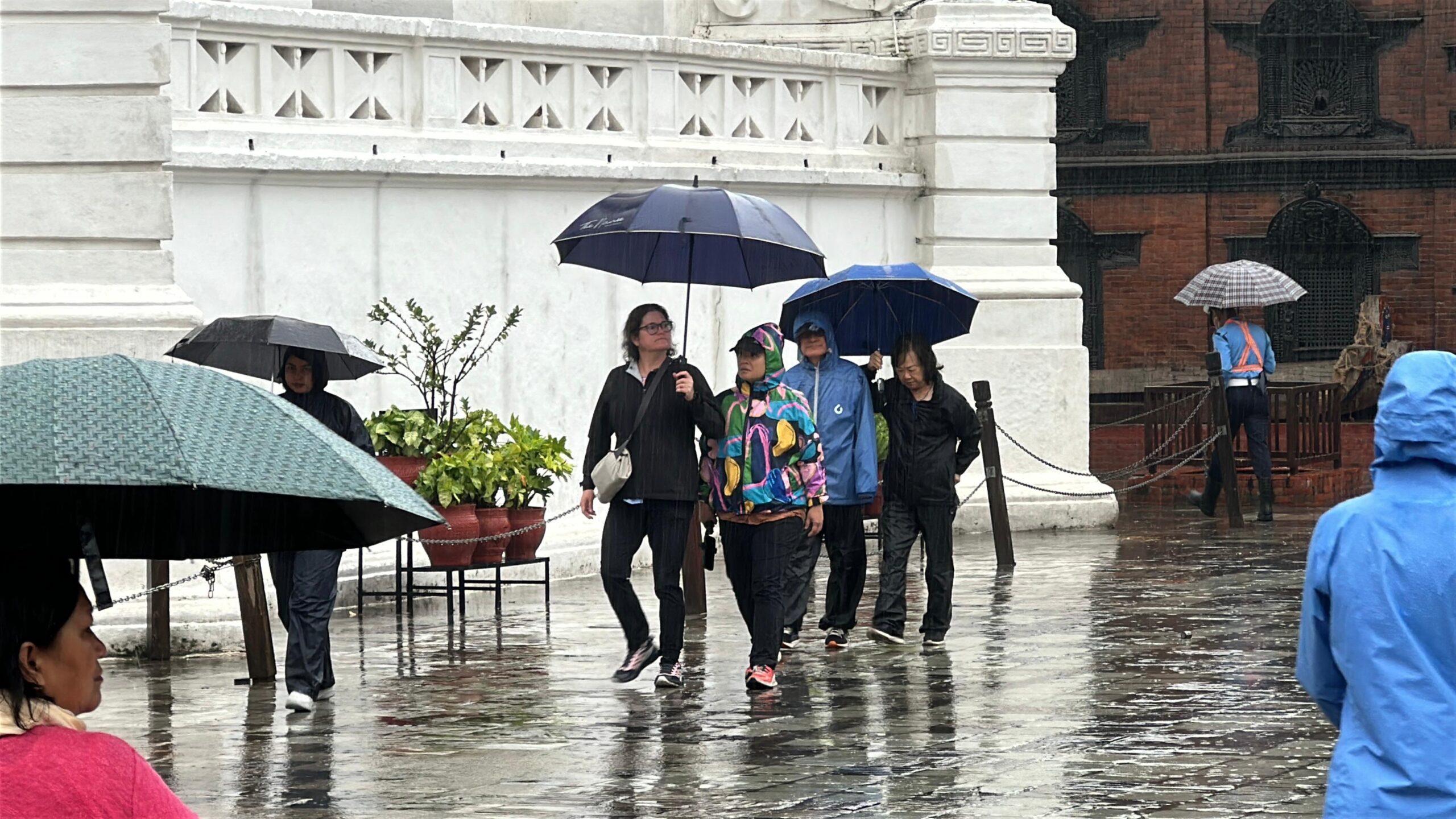
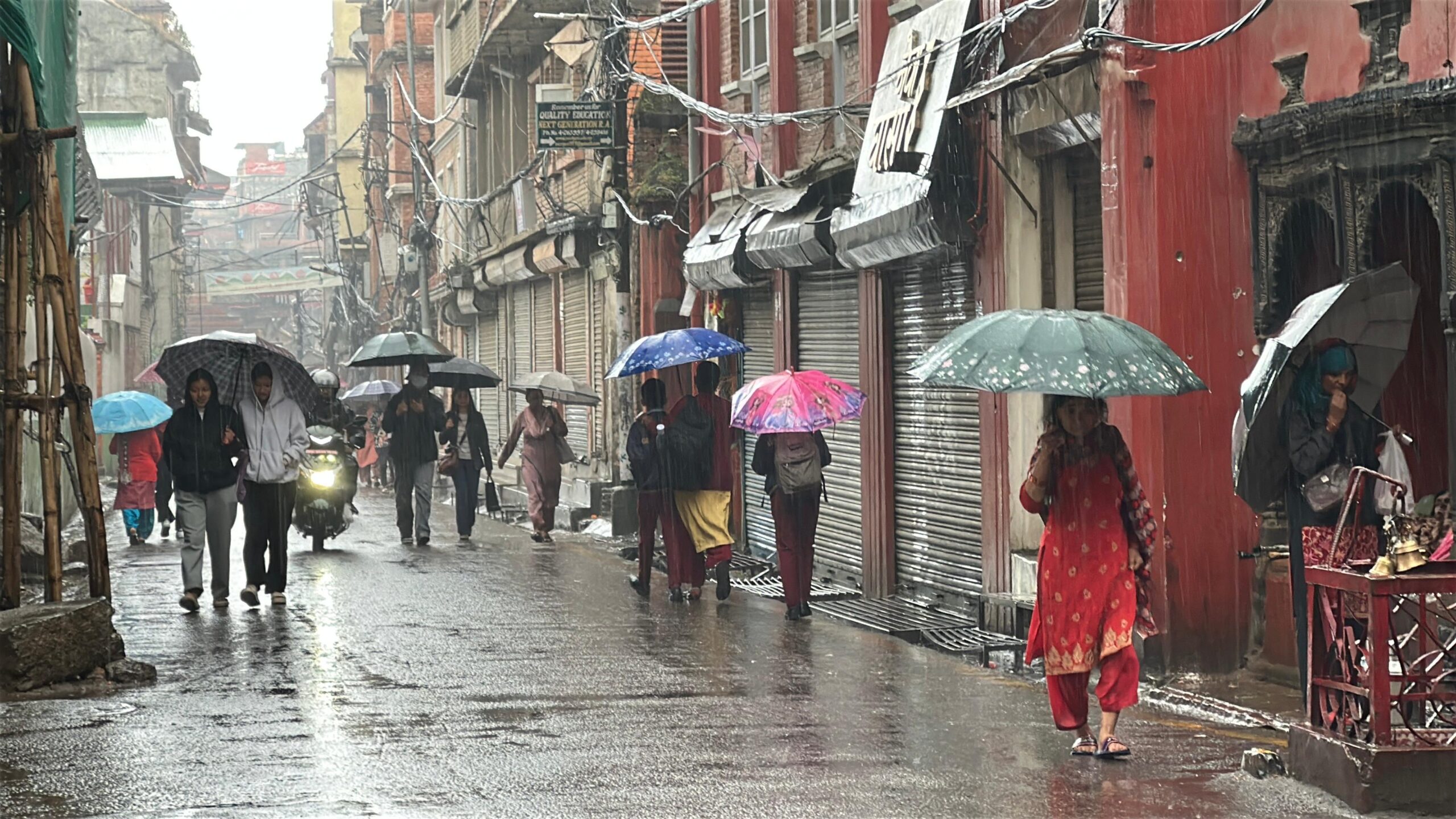
With authorities on high alert and forecasts suggesting that adverse conditions will continue until Saturday, the situation demands cautious management and preparedness. Tourists, trekkers, and local residents must stay informed, adhere to official advisories, and avoid travel in affected regions. Meanwhile, the events underscore the increasing unpredictability of weather in Nepal, highlighting the urgent need for adaptive measures to protect lives, livelihoods, and the fragile mountain ecosystem in the face of climate-induced extremes.


