Nepal Tourism Board Launches ‘Tourism Insights’ to Boost Visitor Arrivals Through Private Sector Collaboration
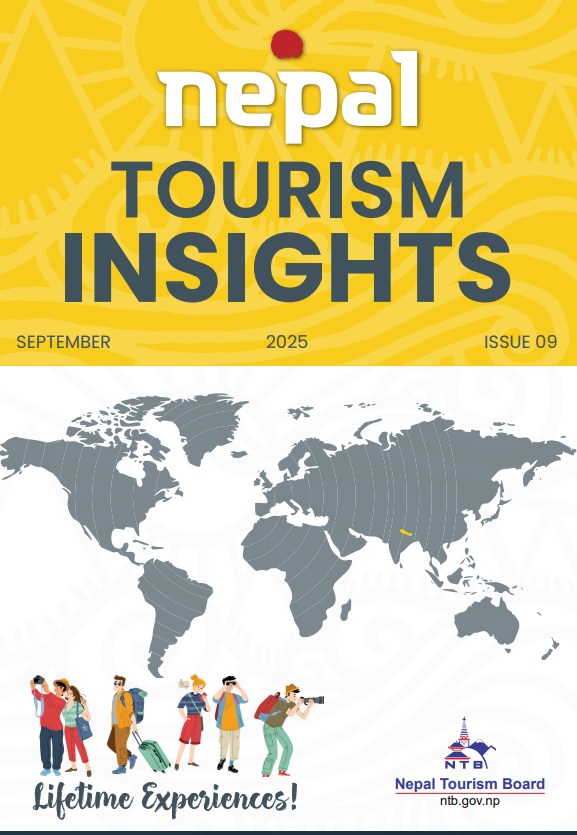
Kathmandu – The Nepal Tourism Board (NTB) has unveiled a new monthly digital publication, Tourism Insights, aimed at providing comprehensive data, trends, and global perspectives on the country’s tourism sector. The initiative seeks to offer policymakers, tourism professionals, and researchers clear, data-driven information to support strategic planning and sectoral growth.
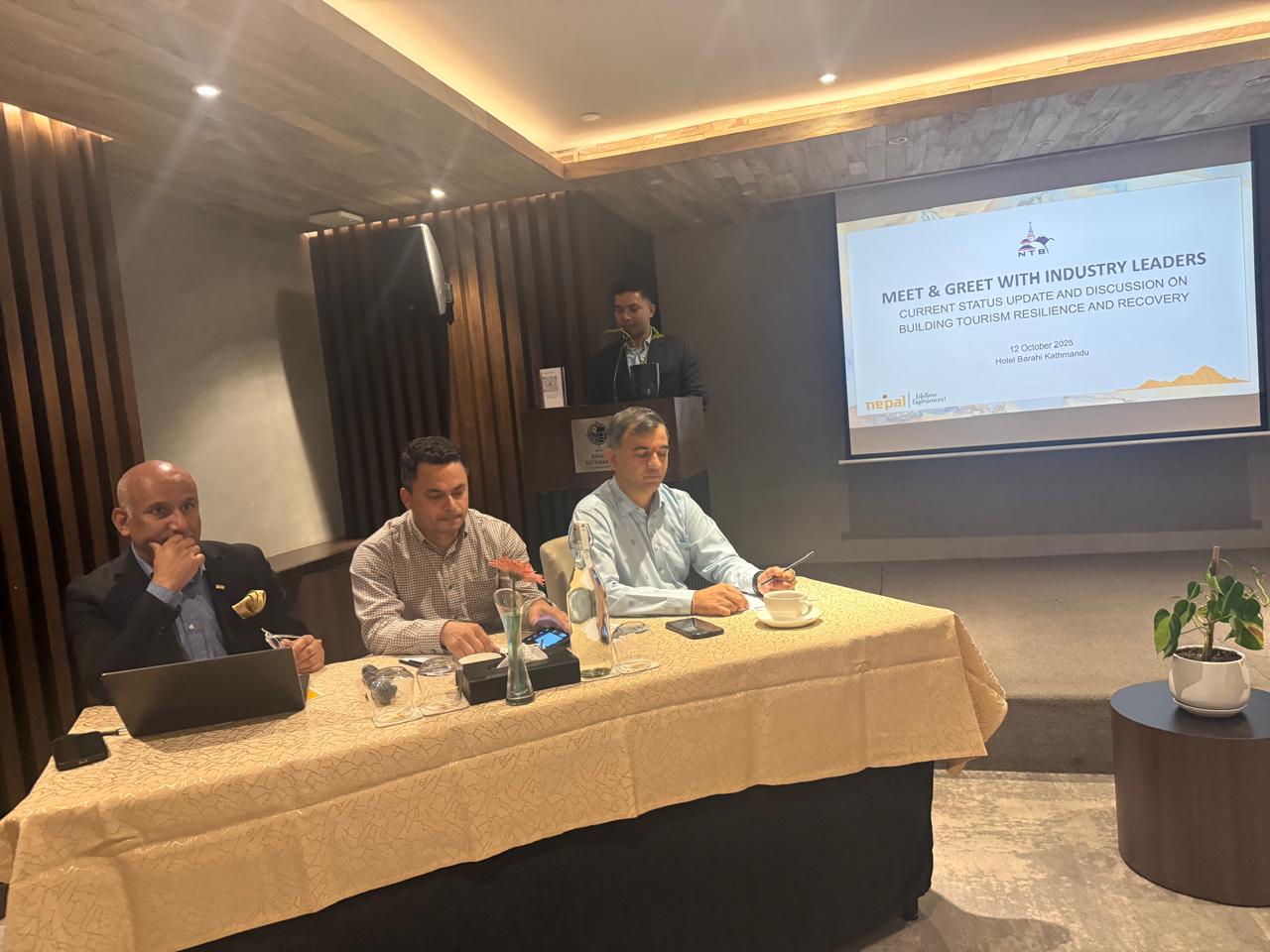
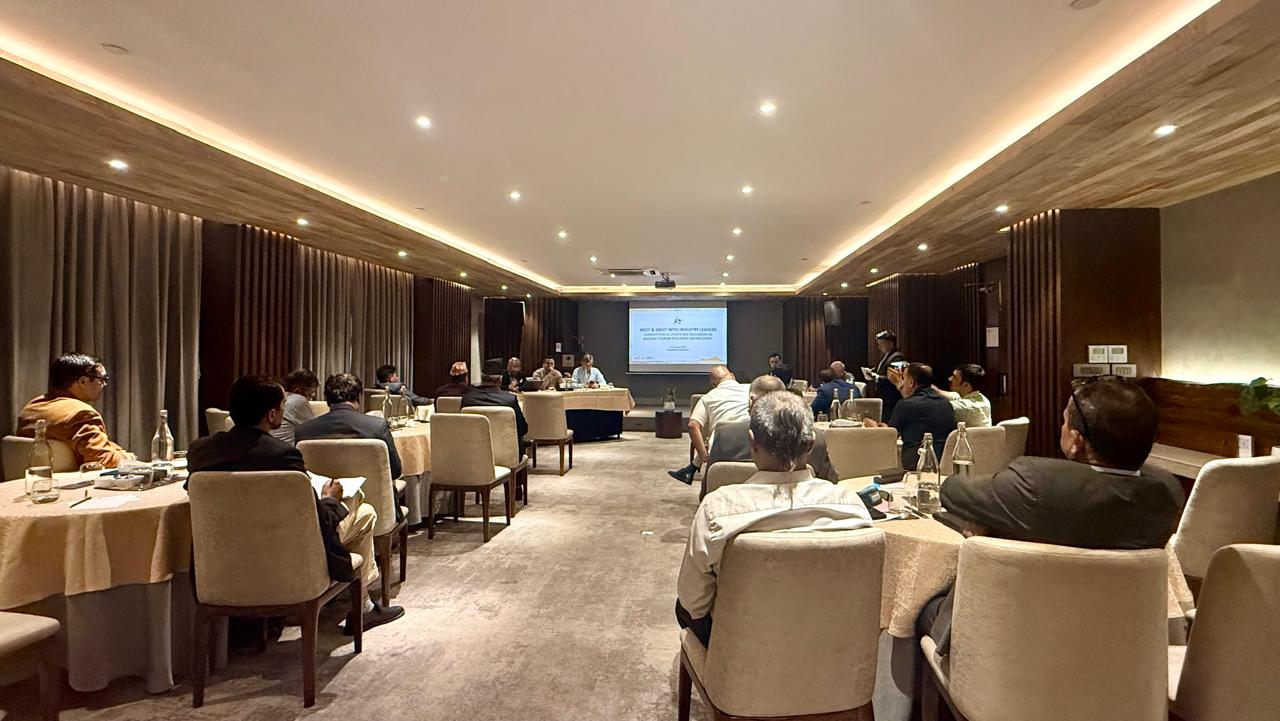
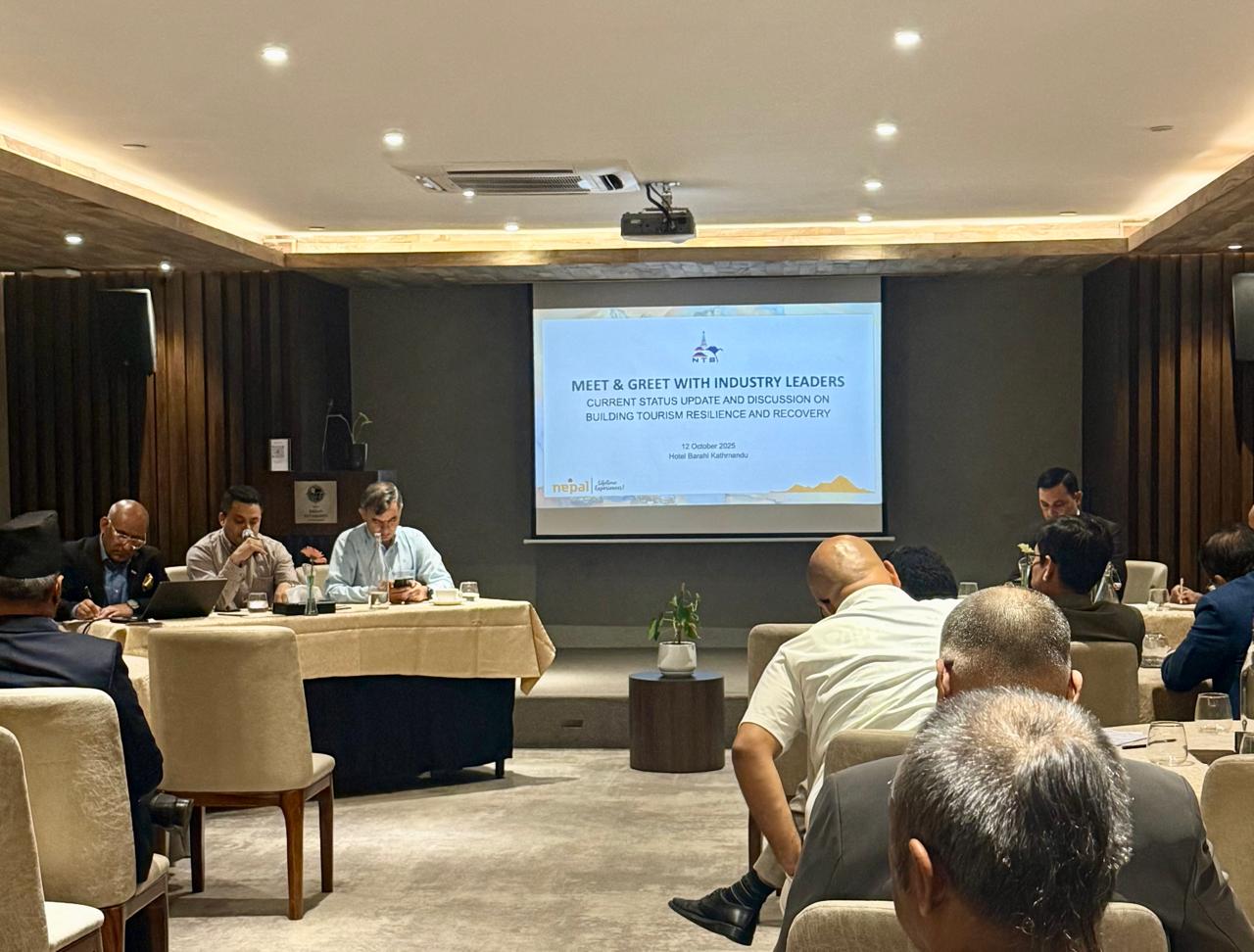
The publication was officially launched on Sunday during a ‘Meet and Greet’ event in Kathmandu, which brought together leaders and representatives from various tourism associations. The session focused on “Current State of Tourism and Strategies for Revival,” highlighting the challenges and opportunities facing Nepal’s tourism industry in a post-pandemic world.
According to Kavindra Bhatta, an officer at NTB’s Research Department, Tourism Insights includes a wide range of statistics, such as visitor numbers, key source markets, regional arrivals, foreign exchange earnings, and foreign direct investment. In addition to domestic data, the publication draws on information and trends from international organizations, including the United Nations World Tourism Organization (UNWTO) and the World Travel and Tourism Council (WTTC).
Providing Strategic Guidance for Sustainable Development
Deepak Raj Joshi, Chief Executive Officer of NTB, expressed confidence that the new publication would provide crucial data and strategic guidance necessary for steering Nepal’s tourism sector towards sustainable development. “Tourism Insights will serve as a roadmap for industry stakeholders, enabling evidence-based decisions and long-term planning,” Joshi said. He also elaborated on the board’s efforts to ensure the safety of tourists following recent global crises and the steps taken to promote Nepal as a secure and attractive destination worldwide.
Ram Prasad Sapkota, Vice-Chairman of NTB, emphasized the importance of stronger collaboration with the private sector. He suggested that the board should work closely with tourism enterprises to reinforce coordination and provide the government with clearer insights into the sector’s significance for national development.
Meanwhile, NTB member Rishi Bhandari expressed concern that although past governments had shown some interest in tourism, the current administration has not prioritized the sector as expected. Bhandari stressed the need for renewed attention to leverage tourism as a key driver of economic growth.
Long-Term Strategies Amid Crises
Narendra Bhatta, also a board member and Secretary of the Professional Association of Travel Agents (PATA), highlighted the importance of formulating long-term strategies during crises to prevent the tourism industry from weakening. Similarly, Kumar Thapaliya, NTB board member and President of the Nepal Association of Travel Agents (NATA), noted that the board has allocated budgets to establish offices in key markets, including India, for promotional activities. However, he expressed concern that certain legal and regulatory challenges have hindered the board’s ability to implement programs effectively.
Private Sector Voices and Collaborative Solutions
Representatives from Nepal’s private tourism sector also shared their perspectives during the launch. Binayak Shah, President of the Hotel Association of Nepal, pointed out the challenges facing the hotel industry and emphasized the need for collective action to strengthen the sector. Other private sector leaders, including Khem Lakai of PATA, Sagar Pandey of the Trekking Agents’ Association of Nepal (TAAN), Man Bahadur Shahi of the Society of Tour Operators (SOTO), Chopendra Khadka of the Rural Tourism Promotion Forum, Suresh Budal of PATA, and Pampha Dhamal of the Confederation of Nepalese Industries (CNI) Tourism Department, highlighted strategies for promoting Nepal as a safe destination in national and international media.
They suggested inviting international influencers, collaborating with government authorities through task forces, and enhancing promotional campaigns to attract more foreign visitors. These steps, they argued, are vital for improving Nepal’s tourism visibility globally and ensuring that the sector recovers robustly from recent downturns.
A Data-Driven Approach to Revival
Tourism Insights is expected to serve as a critical tool for Nepal’s tourism revival. By offering detailed statistical analysis and presenting international trends alongside domestic data, the publication aims to empower stakeholders to make informed decisions. Experts suggest that this data-driven approach could not only increase tourist arrivals but also boost foreign exchange earnings, create employment opportunities, and strengthen Nepal’s position as a competitive travel destination in South Asia.
The launch of Tourism Insights reflects NTB’s broader commitment to leveraging research and analytics for sustainable tourism development. In addition to providing a clearer picture of visitor trends and economic impact, the publication offers actionable insights for marketing strategies, destination management, and investment planning. By aligning the efforts of both the public and private sectors, the board aims to create a more resilient, competitive, and diversified tourism industry in Nepal.
As Nepal continues to recover from the impacts of global crises, initiatives like Tourism Insights are expected to play a vital role in revitalizing the sector. Through collaboration, strategic planning, and evidence-based policymaking, the country hopes to attract more international visitors while ensuring that tourism development remains sustainable and inclusive.
Conclusion
With the launch of Tourism Insights, NTB is taking a proactive step toward transforming Nepal’s tourism landscape. By integrating data, international benchmarks, and private sector perspectives, the board aims to create a more transparent, efficient, and responsive tourism ecosystem. As stakeholders rally together, Nepal’s tourism industry looks poised for a new era of growth, innovation, and global recognition.